All Blog - DO NOT DELETE
What about meds?
Sunday, August 16, 2026 by Elaine Sephton EBE
Categories: Biological / Brain Health / LuvUrBrain / Mental Health / My Stories / Psychological
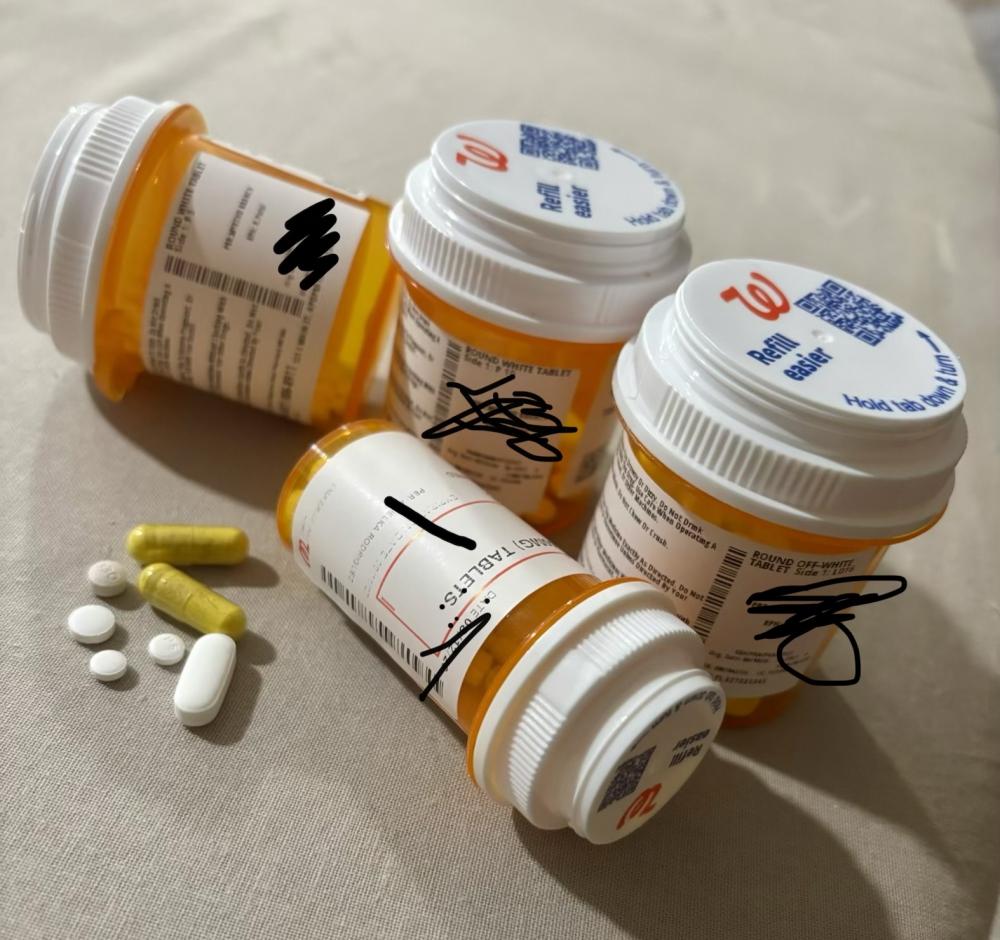
Why is it okay for people to take medication for physical illness and not mental/brain illness?
Disclaimer: I am not a medical professional. The following reflects my personal journey of education and lived-experience. Specific medical questions should always be directed to a qualified medical practitioner.
Why is it socially acceptable to take medication for a physical illness, yet somehow controversial to take medication for a mental or brain illness?
No one questions a diabetic about their insulin. No one asks a person with hypertension, “So… when are you planning to stop your blood pressure meds?” We recognize those medications as essential, life-supporting, and responsible.
But the moment someone is prescribed medication for depression, anxiety, bipolar disorder, or any other brain-based condition, the questions begin. “How long will you be on that?” “When can you stop?” “Have you tried praying more?”
The double standard makes me angry.
My Story: When My Brain Broke
When I was first diagnosed with major depressive disorder, my psychologist encouraged me to see a psychiatrist because, in her words, my brain was broken. That phrase jarred me, but it was also accurate. My brain wasn’t functioning the way it should.
Yet many well-meaning people tried to talk me out of seeking help. They said I needed more faith and pray harder. I needed to “trust God instead of medication.” This was one of the reasons for my first suicide attempt.
How would those same people feel if I told them to treat their diabetes or heart disease with prayer alone, or they needed more faith?
Thankfully, I did see a psychiatrist and started medication.
The Truth About Psych Meds: They Take Time
One of the most important things I learned is that psych medications typically take six to eight weeks to take effect. That waiting period can feel endless. In the beginning, I was frustrated and I wondered if the meds were working. I told my psychiatrist they were not working and he changed them. He didn’t tell me about the timing. Because of the perceived lack of effectiveness there were times I considered stopping.
But when I finally stayed consistent, something changed. Around week seven, it felt like a light bulb flicked on. I felt like myself again and I wanted to go back to work fulltime, no restrictions. I wanted to live. I felt normal.
And that’s where many people fall into a trap.
Feeling Normal Doesn’t Mean You’re “Cured”
When you feel normal again, it’s tempting to think you no longer need medication. But the reason you feel normal is because the medication is doing its job.
Diabetics don’t stop insulin because their blood sugar is stable. A person with high blood pressure doesn’t stop medication because their numbers look good.
Why should brain health be any different?
If your brain needs long-term support, there is nothing wrong with taking a pill or two for the rest of your life. Stability is not weakness. It’s wisdom. I have accepted this.
My Medication Journey
There were seasons when I took twelve different medications. Today, I take two. I’m working with my doctor to reach the lowest effective dose, and once we find it, I will take those medications for life.
And I’m okay with that.
Medication is not a miracle cure. It’s one tool — an important one — in a larger brain-healthy lifestyle. What amazes me is how often people believe medication gives them permission to return to unhealthy habits. It’s like the diabetic who eats cheesecake every day and says, “It’s fine. I’m on meds.”
Medication supports healing. It doesn’t replace responsibility. You have to take accountability for YOU.
The Bottom Line
Medications, when used appropriately and under professional guidance, are helpful, worthwhile, and sometimes essential. Misuse is a completely different conversation.
But if you’ve been prescribed medication for a mental brain-based condition, remember:
Psych meds often take six to eight weeks to work. I experienced this. After seven weeks, it felt like a light bulb was switched on.
I felt normal.
Feeling normal is a sign they’re working — not a sign to stop. I have said it myself. I can stop taking them now that I feel normal.
Continuing medication is not failure. It’s maintenance. I know that I need it to be healthy.
Brain illness is real illness. It deserves real treatment. Mental illness is brain illness. Let’s give people the same compassion with a mental illness the same as we give for others. I recall after my first attempt, many people “left me.” I can only imagine they didn’t know what to say or behave around me. Yet, when someone receives a physical illness diagnosis, and in recovery people visit them with casseroles and meal trains are created.
Your brain is an organ. It deserves the same compassion, care, and medical support as any other part of your body. Especially since your brain is the only organ that cannot be transplanted, and it’s the operating system, the engine that drives everything you do, feel, think, and believe.
What’s been your experience with taking meds for mental illness - which is really a broken brain?
Share This Blog:
Previous Posts
Change the conversation - one word at a time
Elaine Sephton EBE
9/20/2026
Which brain do you want?
Elaine Sephton EBE
9/13/2026
Talk Saves Lives: An Introduction to Suicide Prevention
Elaine Sephton EBE
9/5/2026
Evidence from the inside out
Elaine Sephton EBE
8/29/2026
What about supplements?
Elaine Sephton EBE
8/22/2026
What about meds?
Elaine Sephton EBE
8/16/2026
Article: Triangle Sun
Elaine Sephton EBE
8/9/2026
Article: 2026 Well Being Magazine
Elaine Sephton EBE
7/18/2026